










































Chainle is a daily word association puzzle where one guess per round is scored by meaning, rewarding players who find the hidden link between several clues. Everyone receives the same puzzle on the same day, and five rounds add up to a maximum of 5000 points.
How a Round of Chainle Unfolds
Each round gives you clue words with a gap between them. You type one word that you think fills it.
- Rounds one to three: two clues, and you look for the word both share, like pizza and pasta leading to tomato
- Round four: three clues, like bank, flow and bridge leading to river
- Round five: a single clue, and you pick the word closest in meaning, like violin leading to cello
- One guess per round, with no second attempt
- A perfect 1000 means your word sits close to every clue at once
What Sets This Puzzle Apart
- Scoring by meaning: your word is measured against the clues, not against one fixed answer
- Room for creativity: several different words can earn strong scores
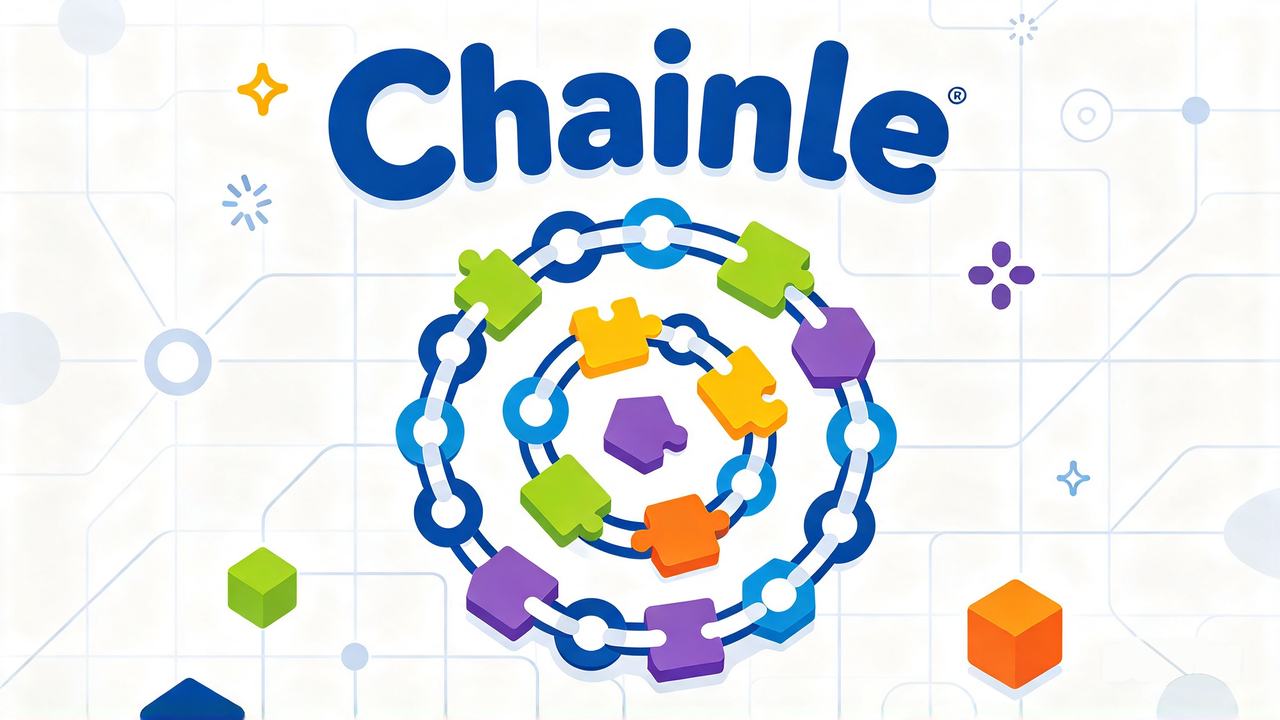
- Chains that grow: each clue builds a chain toward your word, and a closer guess makes the chains meet
- Balance required: a word that suits only one clue earns almost nothing
- A shared daily set: friends can compare scores on the exact same rounds
- An open archive: you can return to an earlier date and pick up where you left off
Getting Sharper at Chainle: Habits That Raise Your Score
- Jot down three to five strong associations for every clue before you commit to anything
- Put your lists side by side and look for a word that shows up in both
- Favor common words, because they share more contexts with the clues than rare ones do
- Hunt for second meanings, since bank can mean a riverside as well as a place that holds money
- Test each candidate against every clue, because your weakest link sets the score
- In the three clue round, look for words with several senses, so each sense can serve one clue
- In the final round, match the category and level of the clue. Cello sits closer to violin than the broad word music does
- Skip niche terms, odd spellings and long phrases
- If no shared word appears, step up to a wider theme, such as Italian for pizza and pasta
- Revisit old puzzles in the archive to learn how Chainle rewards certain kinds of answers
Why One Guess Is Enough
The limit of one guess in Chainle changes how you think. Instead of throwing out words until something sticks, you slow down, weigh a few options and trust your reasoning. That small pause is where most of the pleasure sits, and it is also where most of the improvement happens.
The scoring teaches a useful lesson along the way. Clever answers that lean on a single clue lose to plain, balanced ones that respect every clue. After a week or two of daily rounds, you start noticing patterns in which kinds of words land well, and your first instincts get better without much effort.
Because the puzzle is shared, every result becomes a conversation. You can compare a near miss with a friend, find out how someone else read the same clues and see why a word you doubted scored so highly. A few quiet minutes each morning is enough to stretch your vocabulary and sharpen the way you connect ideas.
Discuss Chainle